- The problem: running a business on incomplete information
- The fix: One platform across the entire multi-brand operation
- The Result: A business that runs on data, not assumptions
- The Takeaway for promoters and operators
Turn insights into smarter operations
Get startedShare
4 min read
May 24, 2026
8 brands, 300 events, one system: The Locamente case
Running a multi-brand promoter isn't like running a nightclub. The hard part isn't Saturday night only: it's Monday morning, when you have five active events across four different cities, eight brands each running their own campaigns, and no single tool that gives you a clear picture of what's actually happening across any of them. That was Locamente's day-to-day before they started working with Fourvenues.
What operating at scale really looks like
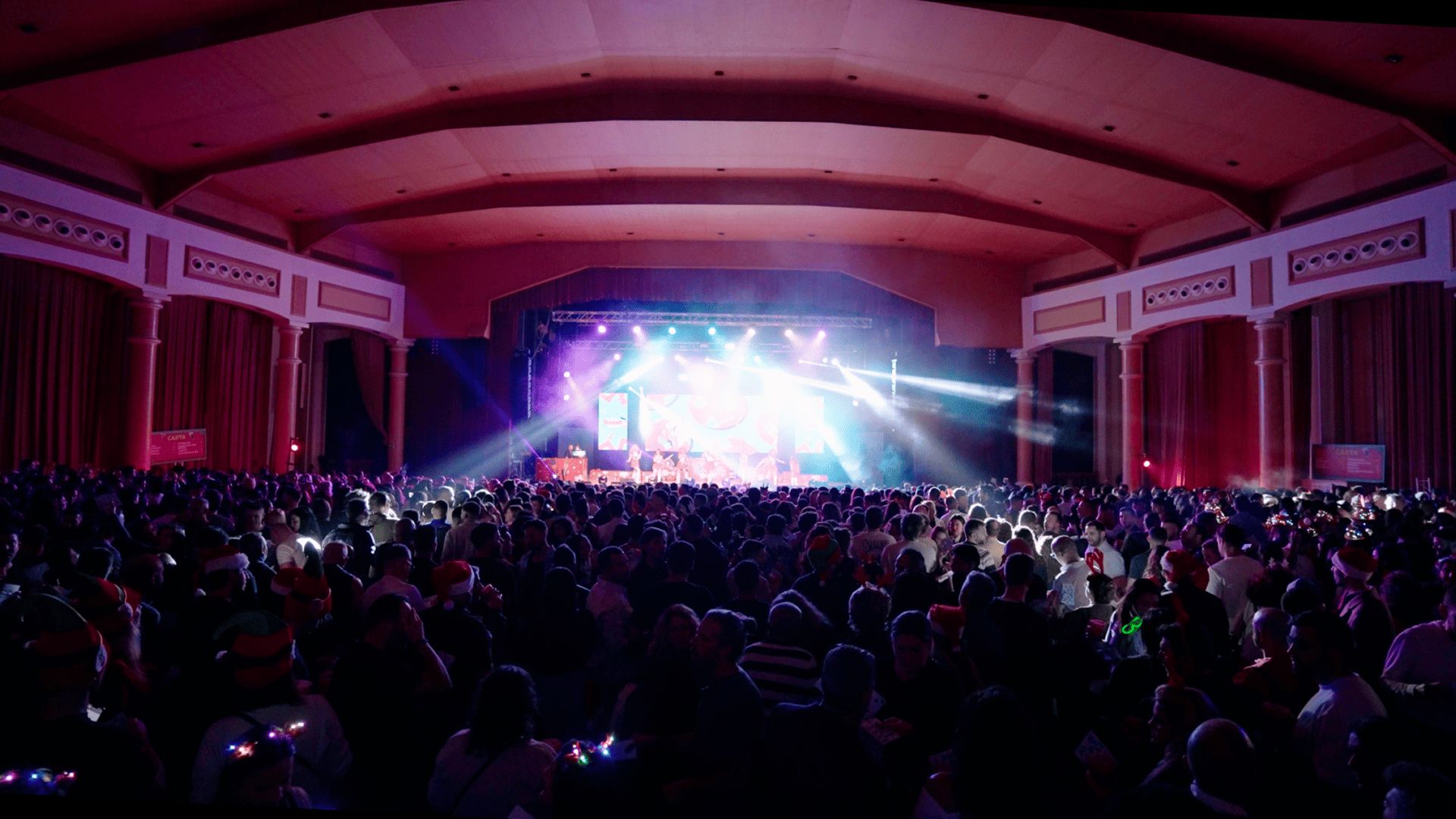
Locamente produces between 250 and 300 events per year. Events with up to 15,000 attendees, across 20 to 30 different venues, under brands that behave completely differently depending on the city and the crowd.
Every event is its own ecosystem: different ticket types, tier-specific pricing conditions, individual marketing campaigns, venues with or without VIP sections, events with assigned seating. No two nights are the same.
On top of that operational complexity, the technology wasn't keeping up. Locamente was running on a combination of platforms that, taken together, still didn't cover what they actually needed.
The problem: running a business on incomplete information
Before Fourvenues, Locamente had three clear operational blind spots.
- Sales data lived in spreadsheets. Every event ended with a manual data export into Excel. There was no way to see in real time which ticket type was selling fastest, or at what point in the sales cycle volume was peaking. Pricing and communication decisions came too late, after the event had already closed.
- Marketing attribution was essentially nonexistent. A visit counter on the website. That was it. Without knowing whether a sale came from Meta, TikTok, or an email campaign, there's no way to optimize spend. You end up investing the same in what works and what doesn't.
- Upsells had no infrastructure. Upgrades, add-on experiences, entry-linked services, they existed as ideas but couldn't be offered in a structured way during the purchase flow, and there was no way to measure which ones actually converted. Revenue left on the table at every single event.
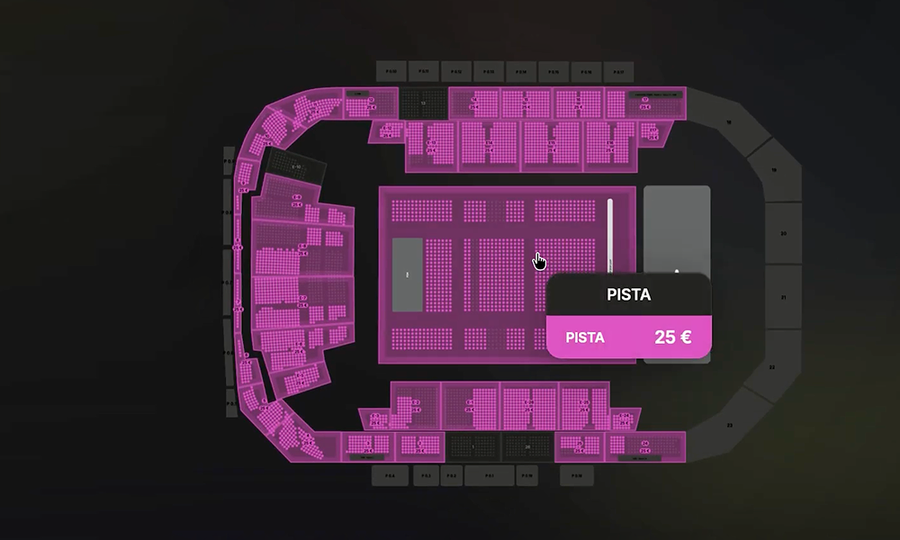
For large-arena shows with assigned seating, the complexity multiplied. Managing zone occupancy, letting attendees choose their exact seat, and adapting the system to completely different venue layouts without the right tooling, it was unmanageable.
The fix: One platform across the entire multi-brand operation
Fourvenues gave them an operating system.
Ticketing embedded directly in each brand site
The ticketing flow was integrated directly into each of Locamente's brand websites. No redirects to third-party platforms, no friction. Customers buy where they expect to buy. The brand keeps full control of the experience.
A real CRM with actual customer history
Today, Locamente knows who their customers are. Not as a demographic segment, but as individual profiles: which events they've attended, how often they come back, what ticket type they typically buy. That makes it possible to segment campaigns with precision treating a first-time buyer differently from someone who's been showing up for two seasons and to make programming decisions based on real behavior, not gut feel.
Full campaign tracking and attribution
Every sale has a source. Meta, TikTok, Google, email, direct. Attribution exists and it's readable. That changes the entire logic of marketing investment: you know which channel is actually driving sales, not just traffic.
Structured upsell built into the purchase flow
Add-ons now have a dedicated place in the buying experience. Upgrades, premium experiences, entry-linked services, Locamente can configure them by event type and measure what converts. Average ticket value goes up without having to sell more tickets.
Seating management and visual control for large venues
For assigned-seating events, the system handles zone-level occupancy and lets attendees choose exactly where they want to sit. Real-time visualization during the sales window reduces operational errors and improves the purchase experience significantly.
Real-Time data during the event
At the bar, at the door, in the VIP section the data doesn't wait until closing. While the event is running, Locamente's team can see what's selling, how revenue is tracking, and where there's room to act. Decision-making moves from the morning after to the exact moment it matters.
The Result: A business that runs on data, not assumptions
The shift at Locamente was structural.
Managing 8 active brands in parallel means every decision needs to be backed by data. Which artist performs well in which market. Which ticket format converts best for each event type. Which customer segment responds to which campaign. None of that is possible without a system that brings ticketing, marketing, CRM, and POS together in one place.
Today, Locamente operates with real visibility into their business, not a feeling that things are going well, but the numbers that prove it.
The Takeaway for promoters and operators
If you're managing more than one brand, more than one venue, or more than one event format, operational fragmentation isn't a one-off problem. It's a cost that compounds with every event, every night, every decision you make without the full picture.
If every Monday starts with incomplete data, the problem is strategic.
Want to see how Fourvenues fits your operation? Talk to our team
Más información