- What real tracking in an event actually means
- The measurement platforms Fourvenues connects
- What the system captures across the funnel
- From campaign data to attendee data
- Measurement as a business argument
Turn insights into smarter operations
Get startedShare
4 min read
Jun 5, 2026
Campaign tracking: Measure which sells tickets and which just spends
When a brand invests in an event, they expect concrete answers: how many people came through each channel, which campaign converted best, how the audience behaved before buying, and what data carries over to the next activation. Without tracking connected to the actual sales flow, those answers don't exist. This article breaks down the measurement capabilities Fourvenues offers and why they matter when you're managing events at a professional scale.
What real tracking in an event actually means
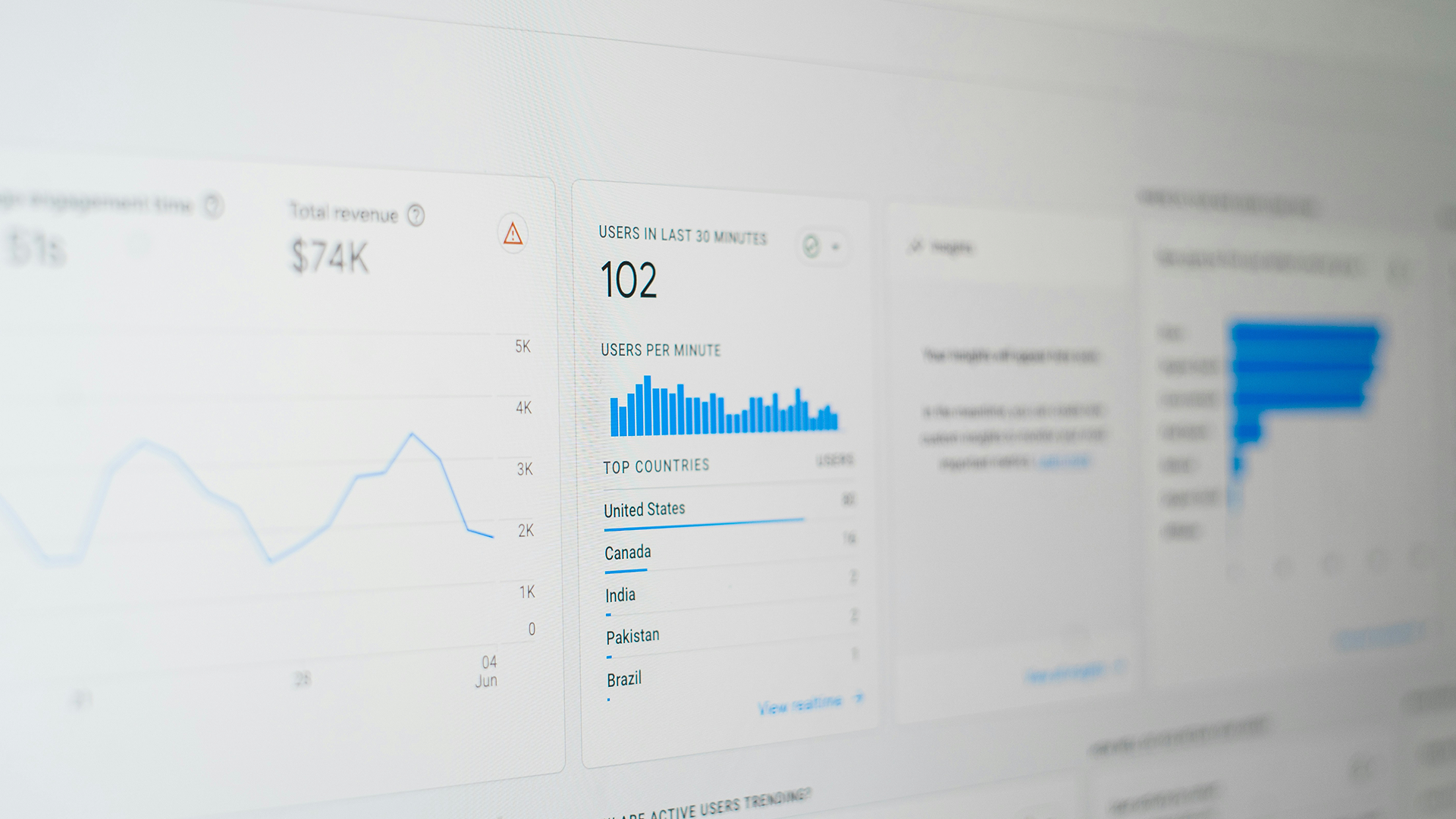
Tracking is being able to answer, with data, the questions that would be asked after every Ad activation.
How many people visited the event's sales page after seeing the Meta ad? How many started the purchase flow and how many completed it? What percentage came from TikTok vs. email? Where in the checkout process did drop-off happen? What demographic profile converted best? Which markets or cities responded most to the campaign?
When you have those answers, you stop managing advertising budgets by gut feel. And when you can present results with rigor, the conversation shifts: you're proving the event impact.
The measurement platforms Fourvenues connects
Most ticketing platforms give you access to a pixel. Fourvenues goes further: apart from the connection through pixel and Conversion API with Meta and Tiktok, the sales microsite and iframe supports Google Tag Manager, which means you have complete control over what data gets sent, to which platform, and under what conditions.
GTM acts as the centralized connection layer between the event's sales flow and any advertising or analytics platform you need to feed: GA4, Meta, TikTok, Google Ads, or any other analytic or ad platform. Every user action inside the microsite or iframe is available with its full parameter set: ticket type, event name, unit price, total value, currency, channel, applied discount etc. You decide which tag fires on each of those events and where that data is sent.
What the system captures across the funnel
Fourvenues tracks the complete user journey inside the sales microsite or iframe, from first exposure to purchase confirmation. The system captures the moment a user discovers the event and views available options: tickets, reservations and tables, the moment they select a specific service type, when they initiate payment, and when the transaction completes. Every touchpoint carries associated parameters: service type, price, quantity, total transaction value, currency, discount applied etc.
This gives you visibility into something that's typically ignored: where people drop off. Not just how many bought, but exactly where in the process the ones who didn't abandoned. That data has direct implications for how the event is communicated, how the ticket offer is structured, and at what point in the sales cycle it makes sense to increase media spend.
From campaign data to attendee data
Campaign tracking is the starting point. Fourvenues operates as a connected system where campaign data, sales data, and attendee data live in the same platform.
Every person who purchases a ticket or makes a reservation is recorded in the CRM with their complete history: events attended, service type purchased, purchase behavior, demographic profile, and geographic origin. That enables retargeting audiences for future editions built on real behavior, not generic interests, and segmentation by market or city to sharpen budget allocation across campaigns. More importantly, it lets you demonstrate that the event not only generate attendees but built a first-party audience asset that compounds with every activation.
Measurement as a business argument
There's a reason the most demanding clients are starting to require this level of traceability: events compete for budget against channels that already measure with precision. A paid media campaign has its dashboard. An email campaign has its open rate and conversion. The event can't keep being the only budget line that gets justified with photos and a headcount.
When you can present the real data from an event: which channel drove the most attendees, what it cost to acquire them, how they moved through the purchase funnel, and what audience remains for the next edition the event stops being a branding cost and becomes a channel with demonstrable ROI. That changes how you position yourself with the client and how much weight your recommendations carry in the next planning cycle.
Fourvenues is the Operating System of the event, and measurement is one of the layers that runs through it end to end. Having ticketing, access control, consumption, and campaign data on the same platform is what makes that read coherent, complete, and actionable.
Want to see how this measurement layer applies to a specific brand activation?
Request information