Turn insights into smarter operations
Request informationShare
9 min read
Oct 30, 2026
Vesper Beach Club More Than Doubled Reservation Demand and Grew Revenue Up to 200% in One Season
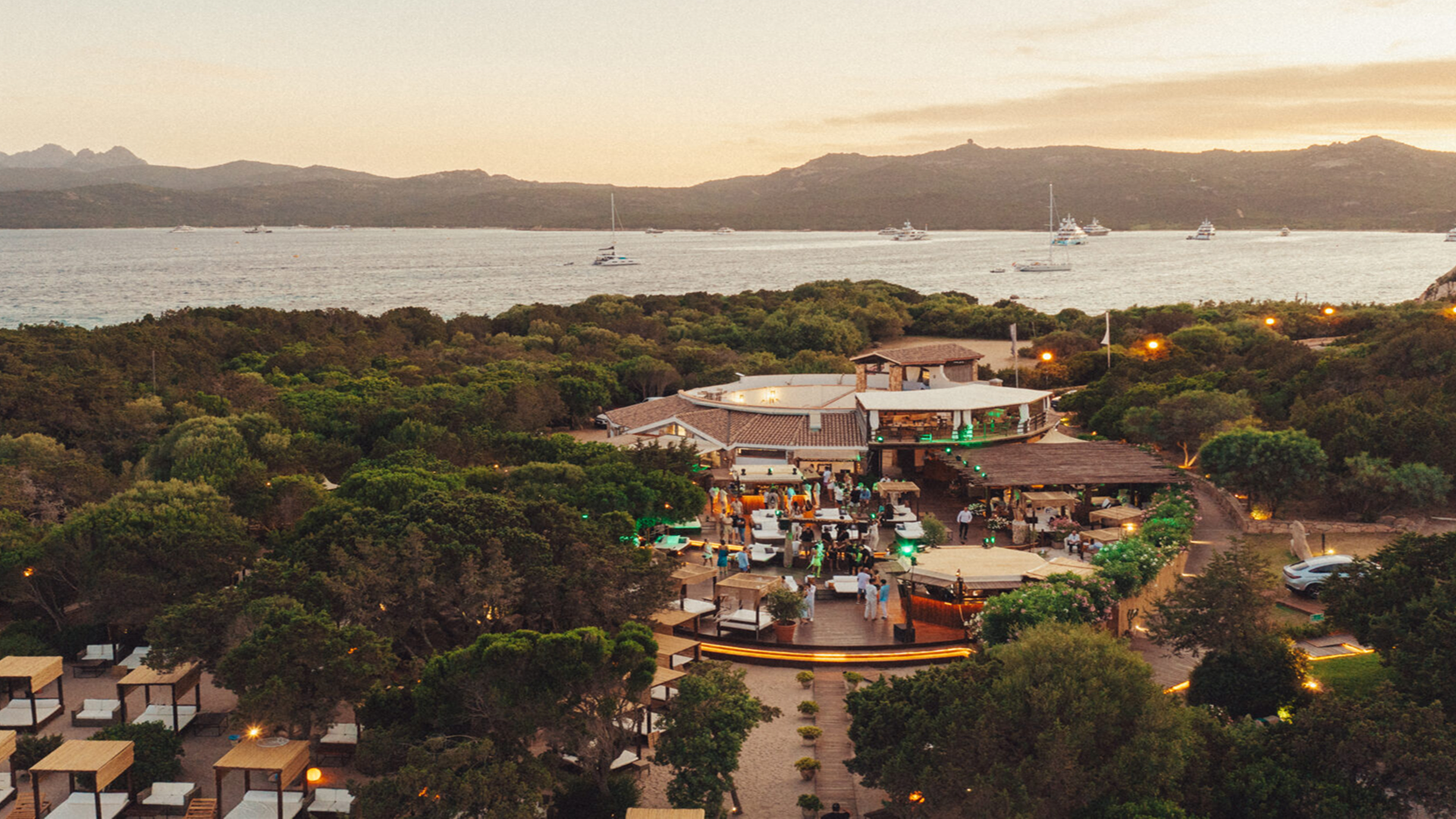
Vesper Beach Club, on Sardinia's Costa Smeralda, stopped selling its cabanas, daybeds and VIP sections over WhatsApp and moved its entire operation, day and night, onto one system. Here's what the old model was costing it, what changed and the results of its first season.
2026 season results vs. 2025:
- More than double the reservation demand.
- Revenue up 150% to 200%.
- Half the time spent managing reservations.
- Door lines down from up to 60 minutes to 10-15 minutes.
- Under 1% of guest complaints related to reservations.
The problem: selling beach club reservations over WhatsApp in peak season
Selling cabanas, daybeds and VIP sections over WhatsApp works at low volume. In peak season, every sale depends on someone on the team having time to reply, and revenue is capped by the bookings the team has time to close.
Vesper Beach Club: one venue, two businesses every day
Vesper Beach Club sits on Costa Smeralda, in Sardinia, and operates during the summer season. From 10 a.m. to 6 p.m., it runs as a beach club with private cabanas, daybeds and a Mediterranean restaurant. In about 30 minutes, the team resets the space and opens as a club, with DJs, VIP sections, a dance floor and a ticketed door.
Each operation has its own revenue logic:
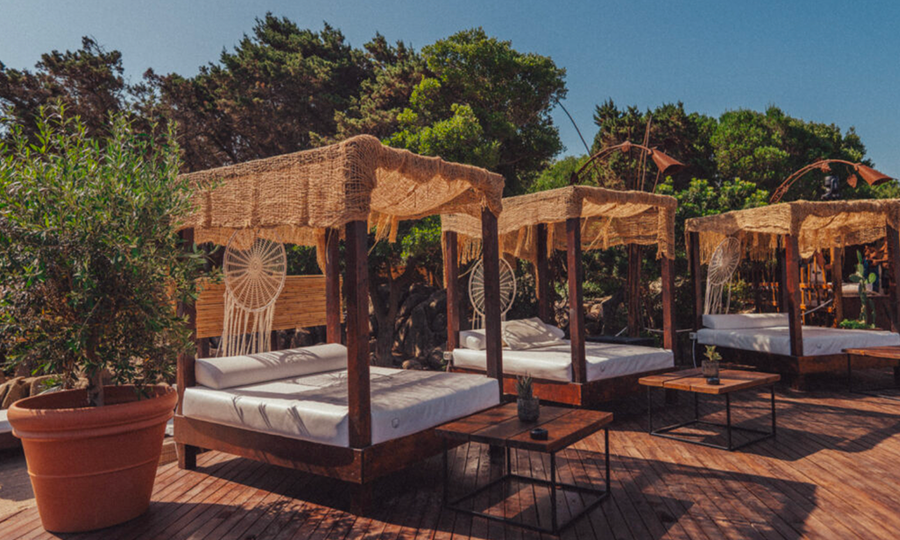
- By day, revenue depends on selling every spot: which cabana, which row, on the sand or on the deck.
- By night, it depends on volume: tickets, box office, guest list, VIP tables and a super-private area, with thousands of people coming through the same door in a short window.
Much of its clientele is international and plans vacations well in advance, so presales carry a lot of weight in the season's revenue.
Where Vesper started: what its reservation model was costing
Through 2025, Vesper sold most of its reservations over WhatsApp, phone and email, using management software that didn't cover all its services. That model had three direct costs for the business.
Andrea, general manager at Vesper, describes it this way: "Sometimes you can spend an hour texting with one client, and you don't have time to properly answer the others." Sara, who runs daytime bookings, puts a number on it: "This process took twice as long." Vesper needed several people on their phones all day. That was a fixed labor cost that didn't translate into more sales.
For Sara, time wasn't the only issue: "The biggest problem was the wasted time, but also remembering every client's details and trying not to lose a single client with the volume of requests we had." On top of that, different team members could give different answers on terms, minimum spend or cancellations. And some bookings confirmed over chat never made it to the door. Each of these gaps ends in a lost sale or a guest who doesn't come back.
Without prepayment, a reservation doesn't commit the guest to anything. In a tourist destination, where many guests compare several venues at once, that means cabanas and daybeds held for people who never show, and that you can no longer sell to anyone else.
The 2026 challenge: one system for day and night
When the 2025 season wrapped, Andrea knew the answer wasn't more staff or another tool. He needed reservations, tickets, restaurant, access and guest data to work as a single system. The business goals were four:
- Sell online without depending on someone being available to reply.
- Lock in revenue before guests arrive, with prepayment and terms accepted at checkout.
- Sell more to every guest by connecting the beach club, the nightclub and the restaurant.
- Cut the wait at the door on the busiest nights.
To measure it, Vesper tracked five KPIs: reservation demand, revenue, management time, guest complaints and wait time at the door.
Strategy: how Vesper turned its reservations into more revenue
For 2026, Vesper moved its entire operation to Fourvenues: cabana, daybed and VIP reservations, restaurant, ticketing, box office, access control with FV Access and CRM. Everything shares the same guest, the same availability and the same terms, so each part of the system feeds the next. According to the team, the reservation map had the biggest impact.
More sales: guests choose and pay for their spot on the map
Vesper isn't right on the sand, and explaining where each guest would be took up a big part of every conversation. There are cabanas on the sand or on the deck, in the front row or the second row. At night, there's the pergola area, the super-private area and the tables next to the DJ booth.
With the map built into its website, guests see the space, choose their spot and pay without talking to anyone, at any time of day. Andrea sums it up: "It changed the game." For Sara, the impact is commercial: the map "has made it easier to sell both tables and cabanas." Complaints are under 1%, because guests know what they bought before they arrive.
Guaranteed revenue: online deposits cut no-shows
International guests on Costa Smeralda are used to paying upfront and value having their cabana or VIP section locked in. With an online deposit, they accept the venue's terms in the same checkout flow, and Vesper gets paid before they arrive.
According to Sara, deposits "have minimized no-shows and given us more certainty when it comes to organizing the venue." For management, that means working from a real occupancy and revenue forecast.
Higher spend per guest: cross-selling across day, night and restaurant
Because the beach club, the nightclub and the restaurant run on the same platform, guests can buy everything in one checkout. All summer, Andrea saw the same pattern: one guest booked a daytime cabana, a night ticket, a club table for the weekend and a restaurant table. All prepaid, without ever contacting the team. That's four sales that used to take four separate conversations.
Repeat guests: the CRM turns every visit into insight
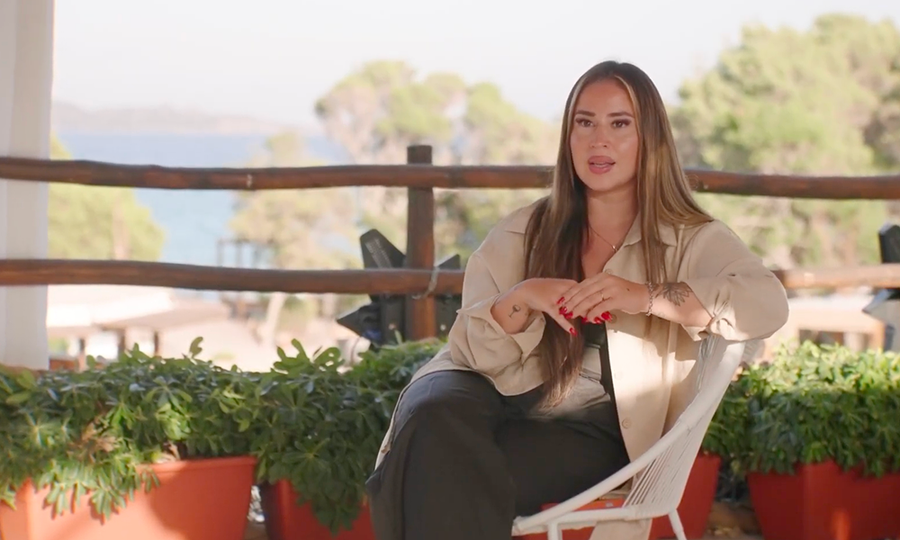
Every purchase feeds the guest profile in the CRM. Sara explains: "From the moment we register a client the first time, by the second visit we already have access to all their details and preferences. If a client comes three times and always orders the same thing, we already know."
Guests buy under Vesper's own brand, on its own website, so that data belongs to Vesper and doesn't sit on a marketplace next to other venues' listings. The team uses it to personalize service and sell again to its best guests. In Sara's words, "every client is a VIP for us."
Higher bar spend: from a one-hour line to 10-15 minutes
At night, nearly 90% of guests arrived at the same time, which meant thousands of people in a very short window. In 2025, that translated into lines of up to an hour, time in which guests weren't spending.
With FV Access, door staff scan the QR code from a phone or digital wallet in seconds. Anyone without a ticket can buy one online right from the line, and every ticket is validated against the same database. According to Vanessa, Vesper's hostess manager, wait times dropped to 10-15 minutes.
Guest behavior has changed too: people no longer show up at 7 p.m. to beat the line. They arrive later, enjoy the sunset and walk straight in to spend.
2026 season results vs. 2025
In a single season, Vesper more than doubled its reservation demand and grew revenue by 150% to 200%. Managing reservations takes half the time it used to. Guest complaints about their reservation are under 1%. And the wait at the door on peak nights went from up to 60 minutes to 10-15 minutes.
That growth comes from several connected improvements. The map lifts conversion, the deposit secures revenue, cross-selling raises spend per guest and the CRM brings guests back. None of these levers would work the same way on its own.
"After a whole summer with Fourvenues, I wonder how others can still manage so many services with so many different programs, when you can have everything in one system."
Andrea Mantinesu
General Manager, Vesper Beach Club
Want to sell more cabanas and VIP sections with prepayment next season? Book a demo.
Takeaways you can apply at your beach club
- Calculate what selling over chat costs you. Add up the staff hours spent answering messages and multiply them by the cost of that shift. That's the real price of your "free" channel.
- Let guests see and choose their spot before they pay. You'll sell more, around the clock, and spend less time on explanations and complaints.
- Track your no-shows and require deposits. Every reservation without a guarantee is a cabana or VIP section you may not get paid for.
- Connect your services. If day, night and restaurant share the same guest, you can sell more in the same checkout.
- Cut the wait at the door. Every minute a guest spends in line is a minute they're not spending inside.
This case study is for you if…
- You run a beach club, nightclub or venue with cabanas, daybeds, VIP tables or VIP sections.
- A big share of your reservations comes in over WhatsApp, texts, DMs, phone or email.
- You deal with no-shows or spots held without prepayment.
- You run several services (day, night, restaurant) on different tools.
- You have lines at the door during peak hours.
Want to see how this would work at your venue? Book a demo and we'll show you how to connect reservations, ticketing, access control and CRM in one system.
Tags